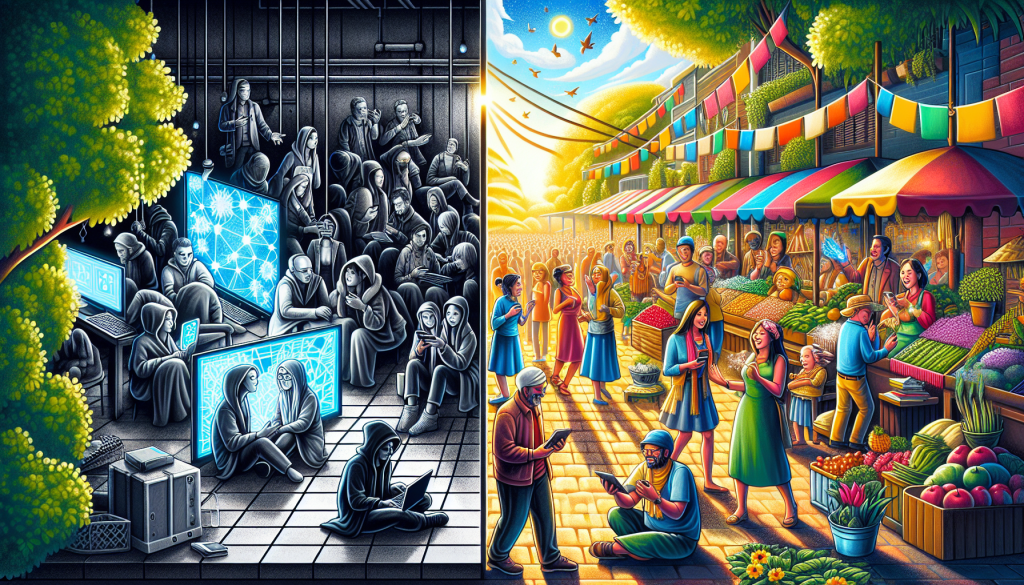
A topic that I mull over quite often is the concept of community.
What is it? What does it feel like? What does a healthy one look like? Do they even truly exist anymore?
These questions tend to swim around my brain most especially when I find myself in periods of self-isolation and reflection.
If we go by the classics and take a look at the dictionary definition, there are two:
- a group of people living in the same place or having a particular characteristic in common.
- a feeling of fellowship with others, as a result of sharing common attitudes, interests, and goals.
When I think of community, I am often exclusively thinking of the second definition. A feeling of fellowship with others. A feeling of belonging. To me, it’s that moment when everyone in the room is laughing together and you realize that you don’t feel excluded from the people around you at all. It’s so powerful that you just take a moment to think: wow…what good people/what a good time.
For me, this feeling only increases with work shared by a group of people. Whether it’s typing away alongside someone else in the office, working with others to pull weeds in order to beautify my highschool on the weekend for extra credit, or simply working as part of a group to push a car out of a ditch, having an active common goal among other people while everyone works their hardest to achieve said goal is a sure-fire way to my brain thinking, “WOW…this is what community is.”
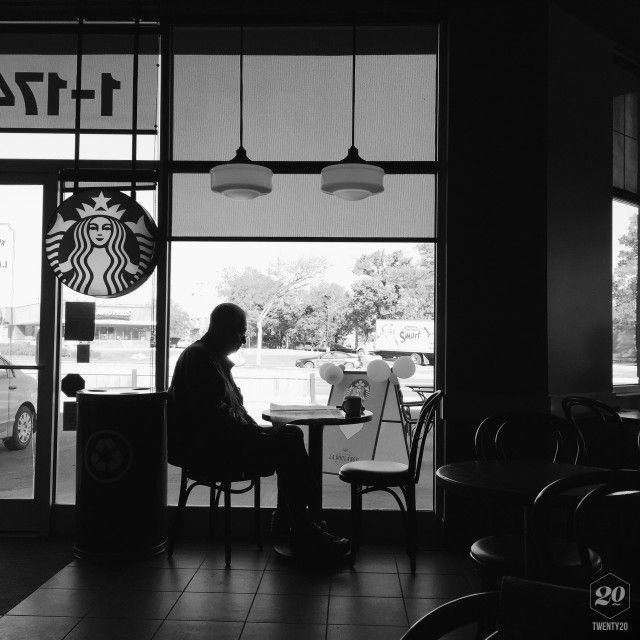
But as our world continues towards the digital, I am noticing that feeling popping up less and less as there seem to be less natural ways to socialize with others in person. Especially as I continue into my late twenties and no longer have the “automatic” community of school. As a society, we have a standard of living on our own (or at least trying to) and oftentimes now even work on our own with remote jobs. That conversation of “the third place” that is not home or work is fast dying, or dead in some areas, and an innate fear of those around us seems to be creeping in.
I can no longer have a conversation with a random stranger in my apartment complex and not worry about the fact they now know what car I drive or where I live. I can no longer trust that a stranger has good intentions. As a woman, I feel that this has almost always been the case, but it seems much more prevalent now than it ever has been. Whether this is due to news traveling fast with modern technology or an actual increase in violent occurrences, I do not know. But being able to hitchhike on a warm Summer day, walk home from school, and to just generally exist freely outside of the home is no longer a thing without the worry of being viewed as trespassing or something terrible happening at the hands of a stranger.
The point is, it is difficult to exist outside of the home except in a designated space where you pay money in order to exist in that space. Going to a restaurant and paying for a meal, you are fine to exist there for a while. Going to a movie theater and paying for the ticket and snacks, you are fine to exist there. Both of these popular examples do not lend much to community building and interaction, do they?
Not to mention the phenomenon seen during the COVID-19 lockdown where the longer without interacting with people, the harder it is for people to read facial expressions of emotion, which leads to further isolation and causes a terrible cycle (source link). This increased social anxiety not only due to a new fear of being around other people, but fear of social rejection and mixing up social cues as well has led to increased rates of agoraphobia of varying severity (source link).
Summed up, as we continue evolving as a digital society, it is getting harder and harder to feel a very real and true sense of community.

But it’s not all storm clouds. Online communities can and have helped to stave off loneliness. Whether it’s a chat room, a videogaming group, or a social hour, technology allows us, now more than ever, to connect with others who share our unique interests. This ability to find others who share very niche interests helps us “find our tribe” as they say, all from the convenience of wherever our computers exist in our house.
I’m not sure what I think this might say for the future of our society as the ever-looming threat of a technologically dark world grows amid more prevalent solar storms and cyberattacks…but one thing is for sure, people tend to find all sorts of ways to connect with one another.
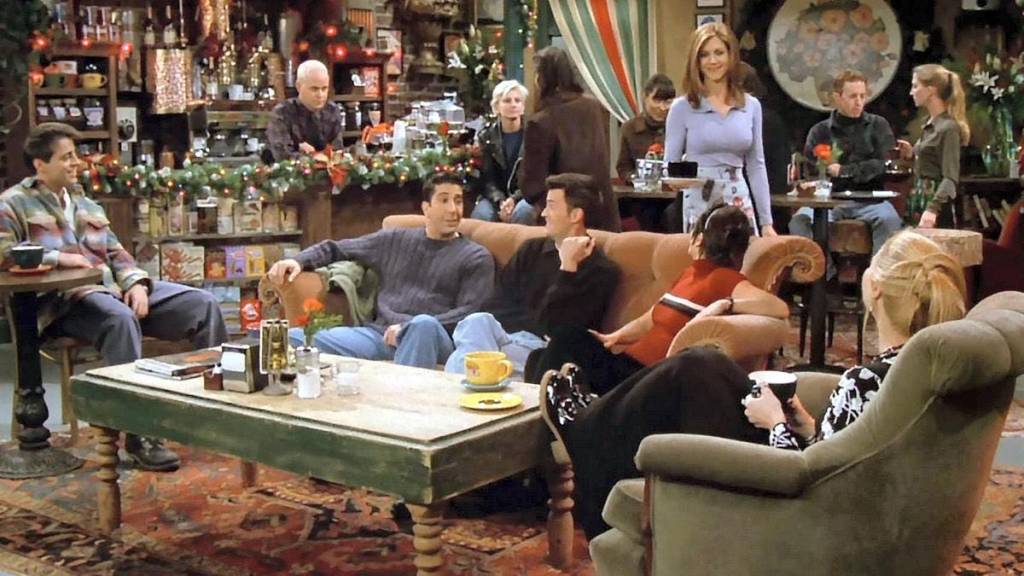
All I am hoping for is a return of “the third place” and more prevalent face-to-face interactions supported by technology rather than replaced by it.
 E. Lexi Abbott
Leave a comment